
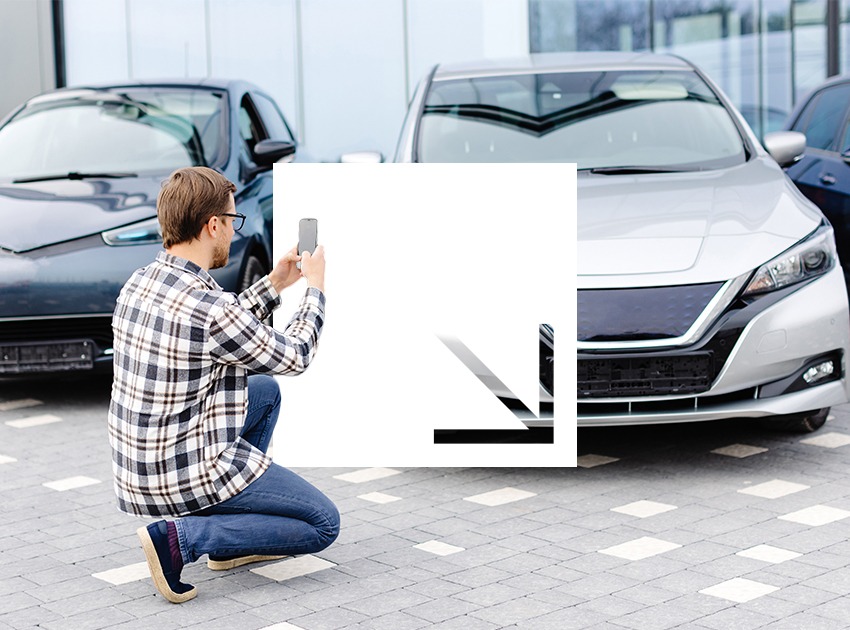
Hiring a car should be straightforward, but many travellers worry about unexpected damage charges appearing after they return the vehicle. One of the simplest ways to protect yourself is by taking the right photos of your hire car at key points during the rental.
Spending just a few minutes documenting the car’s condition can make a big difference if there’s ever a dispute about damage. Clear photos help show what the car looked like when you collected it and when you returned it.
They can also be extremely helpful if you need to provide car hire excess insurance evidence for a claim. In short, taking the time to snap some quick photos could save you a lot of stress later on.
Why Taking Photos of Your Hire Car Matters
Car hire damage disputes usually happen when there’s uncertainty about when damage occurred.
For example, a scratch or dent may have already been present before you collected the vehicle, but if it isn’t clearly documented, it can be difficult to prove later. This is where car hire damage photos become invaluable.
Clear, time-stamped photos can:
If the rental company does charge you for damage, those same photos can also support a claim with your car hire excess insurance provider. Good documentation helps insurers understand what happened and process claims more smoothly.
When You Should Take Photos
At Pick-Up (Before You Drive Away)
The most important time to take photos is before leaving the rental location.
Walk around the car and take photos of every side of the vehicle. If you notice any scratches, dents, chips or scuffs, photograph them clearly and make sure they are recorded on the rental company’s condition report.
These photos establish the baseline condition of the car when you collected it.
During the Rental (If Anything Happens)
If something occurs during your rental – such as a minor scrape in a car park or damage from road debris – take photos immediately.
Capture:
These images can help explain what happened if you later need to submit evidence to us in a car hire excess insurance claim.
At Drop-Off (When You Return the Car)
When you return the vehicle, repeat the same process you used at pick-up.
Take another full set of photos showing the car’s condition at the end of the rental. This is particularly important if you’re dropping the car off outside normal hours, when staff may not inspect the vehicle immediately.
Photos taken at drop-off can protect you if damage is reported later.
Essential Photos to Take – A Practical Checklist
Think of this as your rental car photo checklist. It only takes a few minutes but gives you strong evidence if any issues arise.
Full exterior shots from each corner of the vehicle
Take photos from the front-left, front-right, rear-left and rear-right corners. These wide shots show the overall condition of the car and confirm which vehicle you hired.
Close-ups of any existing damage
Photograph scratches, dents, paint chips, scuffs on bumpers, damaged lights, windscreen chips and marks on the bodywork. These car hire damage photos help prove the damage was already present.
Tyres and wheels
Take photos of each wheel and tyre. Alloy scuffs and tyre damage are common points of dispute, so close-ups are useful.
Windscreen and lights
Capture the windscreen, mirrors and headlights. Chips or cracks can easily be missed during a quick visual inspection.
Interior condition
Photograph the seats, dashboard and general interior. This documents cleanliness and any existing wear or stains.
Fuel gauge and odometer
Take a clear photo showing the fuel level and mileage at pick-up and drop-off. This can help prevent disputes about fuel charges or extra mileage.
Boot (trunk) area
A quick photo of the boot helps document its condition and contents.
Hire paperwork or digital condition report
Photograph the rental agreement or damage diagram showing existing marks. This connects the written report with the physical evidence in your photos.
How These Photos Help with Car Hire Excess Insurance
Car hire excess insurance typically reimburses you if the rental company charges you for damage to the vehicle during your rental period.
If a charge occurs, you usually pay the rental company first and then submit a claim to your excess insurance provider. At that point, having strong documentation makes the process much easier.
Photos can help by:
It’s a good idea to keep your photos, rental agreement and any correspondence together in one folder or cloud album so everything is easy to find if you need it later.
Tips for Taking Good Evidence Photos
A few small habits can make your photos far more useful if they’re ever needed.
Take photos in good lighting
If the car is in a dark car park, step outside or reposition slightly so scratches and dents are visible.
Capture both wide shots and close-ups
Wide shots show the overall condition of the car, while close-ups document specific damage.
Include the registration plate in some photos
This clearly links the photos to the exact vehicle you hired.
Keep your photos organised and dated
Most smartphones automatically record timestamps. Keeping photos in a dated album can make them easier to reference.
Record a quick walk-around video
A short video circling the car can capture details that still photos might miss.
Common Mistakes to Avoid
Even travellers who take photos sometimes miss key details. Try to avoid these common pitfalls:
A complete set of photos at both pick-up and return provides the strongest protection.
To Summarise
Taking the right photos you should take of your hire car is one of the easiest habits you can build when renting a vehicle. It only takes a few minutes but can save significant time, money and frustration if questions about damage arise later.
Think of it as a quick routine: document the car at pick-up, keep records if anything happens during the rental, and take another set of photos at drop-off.
Combined with car hire excess insurance, these simple steps can give you peace of mind every time you hire a car.
Get a quick quote to see how much a ReduceMyExcess policy could cost you before your next trip.

Comments are closed