


Driving is one of the best ways of exploring the Netherlands as with a car you can go beyond the train lines and cycle routes and reach places public transport can’t. Whether you’re looking to explore Amsterdam, the tulip fields in the countryside or the coastal villages along the North Sea, it’s important to understand the local driving laws, speed limits, road signs and parking rules. That’s where this handy guide comes in. From driving laws, speed limits and road signs, we’ve got you covered.
We also have you covered if you’re hiring a car. Our car hire excess insurance protects you against the high fees car hire companies could charge you if the vehicle is damaged. However with our policies this amount will be reimbursed, allow your Dutch adventure to be as stress free as possible.
The Basics
Dutch Rules of the Road
Speed Limits in the Netherlands
Speed limits are strictly enforced and speed cameras are widespread. Speed limits can vary on the time of day.
| Road Type | Speed Limit in Kilometres | Speed Limit in Miles |
| Motorways | 100 km/h between 06:00 and 19:00; 120-130 km/h at night | 62-81 mph |
| Expressways | 100 km/h | 62 mph |
| Rural Roads | 80 km/h | 50 mph |
| Built-up Areas | 50 km/h | 31 mph |
| Residential Zones | 30 km/h | 19 mph |
Please be aware that radar detectors are illegal.
Traffic Lights in the Netherlands
Dutch Road Signs
Dutch road signs follow European standards.
| Type of Road Sign | Meaning |
| Circular | These are regulatory signs indicating things like speed limits. |
| Triangular | These are warning signs whether it’s for an upcoming sharp bend, a priority crossing or a level crossing. |
| Square/rectangular | These provide information and guidance. |
Key Road Signs to Be Aware Of
| Sign | Name | Meaning |
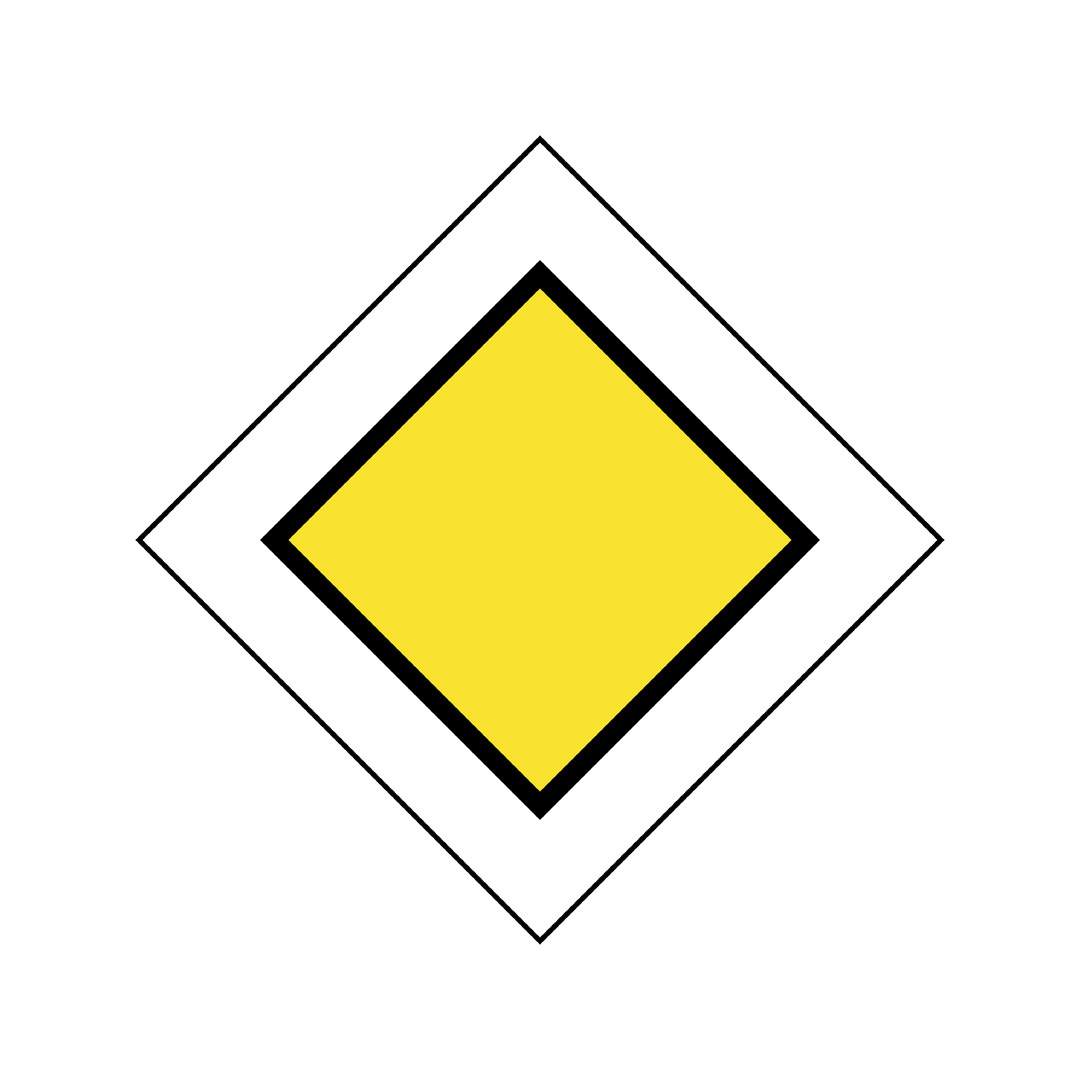 | Priority Road Starts | A yellow diamond with a white border indicates the start of a road where you have priority. |
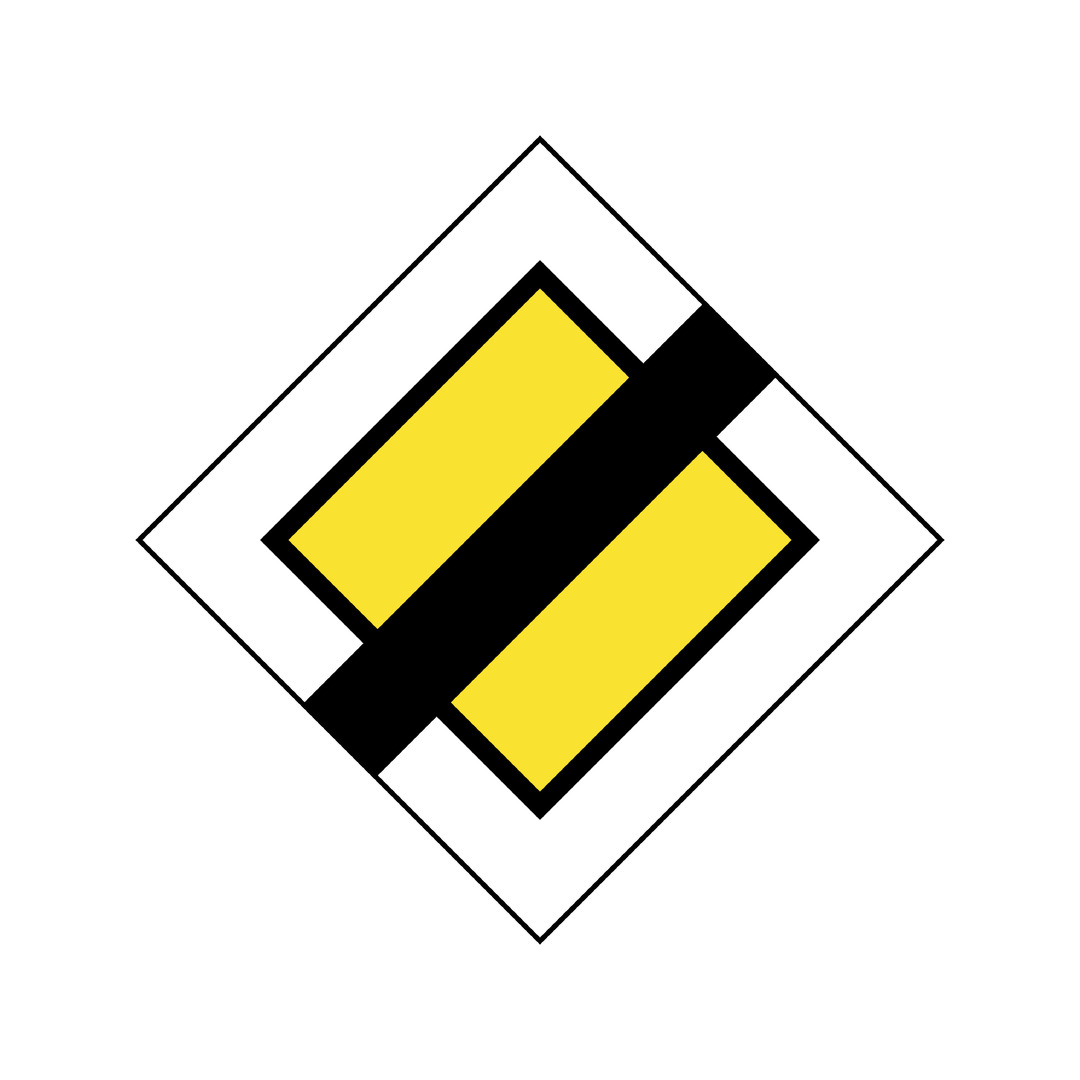 | Priority Road Ends | The yellow diamond with a thick black line running through it diagonally indicates it is the end of your priority. |
Tolls in the Netherlands
Most roads are toll-free except a few tunnels and major bridges such as the Westerscheldetunnel which charge a toll payable by card or by cash.
Fuel in the Netherlands
Petrol stations are common but in rural areas they may close late at night. Most pumps are self-service and accept card payment.
Parking Rules in the Netherlands
Parking can be challenging in Dutch cities especially in Amsterdam. Look out for coloured zones and signs.
| Zone/Marking | Meaning |
| Blue Zones (blauwe zone) | Time limited parking – you must use a parking disc (parkeer schijf). |
| Paid Parking Zones | Pay at a meter or via a mobile app for which you’ll often need your licence plate |
| Continuous Yellow Lines | No parking allowed |
| Broken Yellow Lines | No stopping or waiting |
| White Lines | Free parking if spaces are marked |
Do not park in cycle lanes or on pavements. If you do, you may need to pay a fine.
Child Safety Rules in the Netherlands
Additional Rules To Be Aware Of
Driving in the Netherlands FAQs
EU/EEA and UK licence holders do not need an IDP. Non-EU Drivers may need one but this depends on the country of origin – this is worth checking.
• Valid driving licence
• Passport/ID card
• Car insurance documents
• Vehicle registration certificate
• Car hire agreement
Car Hire Excess Insurance
If you’re hiring a car, car hire excess insurance can protect you from unexpected costs if your rental car is damaged.
Final Thoughts
Driving in the Netherlands gives you total freedom to explore the best of the country. By learning the rules of the road, respecting cyclists, and being prepared with a rental car excess insurance policy from ReduceMyExcess, you’ll enjoy a smooth and stress-free road trip in the Netherlands.

Comments are closed