


Whether you’re exploring the sunny coastlines or the historic towns, the winding roads of Andalusia or the Pyrenees mountains, driving is one of the best ways to explore Spain. With a car, you’ll have the freedom to travel at your own pace, away from the limitations of public transport.
Before you set off on your Spanish road trip, it’s important to understand local driving laws, speed limits, road signs, and parking rules. This guide covers everything you need to know about driving in Spain.
If you’re hiring a car, don’t forget car hire excess insurance – this protects you against the high fees car hire companies may charge if the vehicle is damaged. With the right cover in place, you can have peace of mind through your Spanish driving experience.
The Basics
Spanish Rules of the Road
Spanish Speed Limits
Speed limits vary depending on the road type and conditions. Be aware that fines for speeding are high and may be sent directly to your car hire company.
| Road Type | Speed Limit in Kilometres | Speed Limit in Miles |
| Motorways (autopistas/autovías) | 120 km/h | 74 mph |
| Dual carriageways | 100 km/h | 62 mph |
| Rural roads | 90 km/h | 56 mph |
| Built-up areas | 50 km/h | 31 mph |
In rain or poor conditions, limits are reduced by 20 km/h. It’s also worth being aware that radar detectors and apps that alert you to speed cameras are illegal.
Traffic Lights in Spain
Spanish Road Signs
Spanish road signs follow European standards and are easy to understand once you know the basics.
| Type of Road Sign | Meaning |
| Circular | These are regulatory signs indicating things like speed limits or no entry roads. |
| Triangular | These are warning signs whether it’s for an upcoming sharp bend or an area where animals tend to roam. |
| Sqaure/rectangular | These provide information and guidance. |
Key Signs to Be Aware Of
| Sign | Name | Meaning |
 | Recommended Maximum Speed | This is the suggested safe speed but is not enforced. You’ll often see this sign before bends or tunnels. |
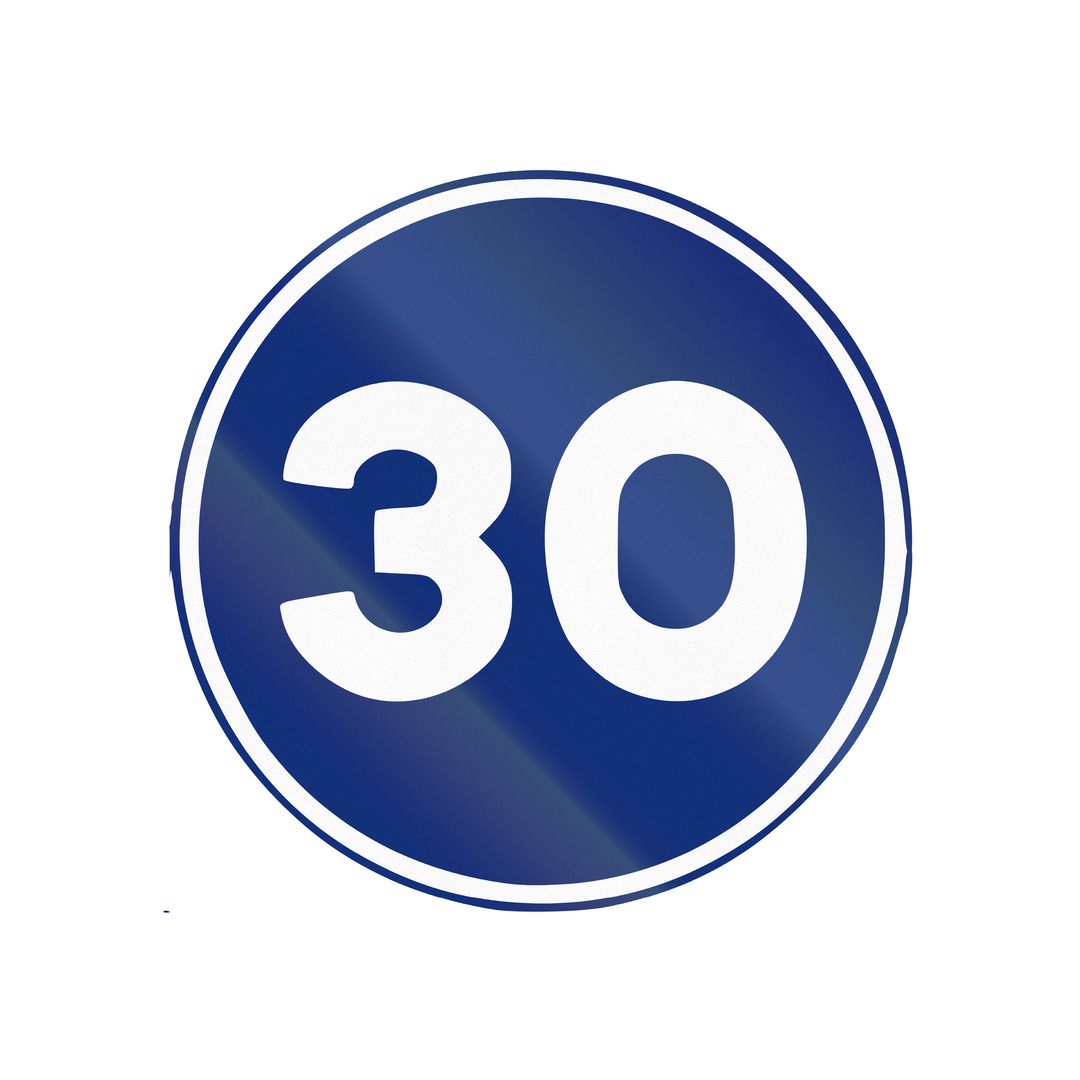 | Minimum Speed | This number is in km/h and refers to the legally required minimum speed – you must not drive slower. |
 | Direction of Main Road | The thick line indicates the main road with the two smaller lines indicating the side roads. When you are joining or leaving the main road you’ll need to use your indicators even if it looks like it’s straight ahead. |
Tolls in Spain
Most Spanish motorways (autopistas) are toll roads. You can pay by cash, credit or debit card or electronic tag (Telepeaje). Look for blue motorway signs marked AP – this indicates there is a toll road coming up.
Fuel in Spain
If you’re wanting to fill your car up with diesel you’ll need to look for pumps labelled Gasoil or Gasóleo.
If it’s unleaded petrol you’re after, you’ll need to keep an eye for labels Sin plomo 95 or Sin plomo 98.
On main routes, petrol stations are common however those located in rural areas might shut at night or on Sundays. Lots of self-service pumps will require a chip-and-PIN card.
Parking Rules in Spain
Parking can be difficult in Spanish cities and the markings do matter.
| Parking Zone | Meaning |
| Blue Zones (Zona Azul) | Blue zones indicate you’ll need to pay-and-display and that there will be time limits. |
| Green Zones (Zona Verde) | Residents have priority in the green zone; non-residents pay higher rates. |
| Continuous Yellow Lines | No parking. |
| Broken Yellow Lines | No stopping. |
| White Lines | These usually indicate free parking as long as the spaces are marked. |
Make sure to also park in the same direction as the spaces always.
Child Safety Rules in Spain
Children under 12, or under 135cm tall, must travel in the back seats.
Approved car seats or boosters must be used based on the child’s weight and height. If you’re found to have incorrectly restrained your child in the car you may receive a fine.
Additional Safety Rules to Know
Driving in Spain FAQs
UK, EU, and EEA licence holders do not need an IDP. Drivers from outside the EU may need one, make sure to check before travelling.
• Full and valid driving licence
• Passport or ID card
• Proof of insurance
• Vehicle registration documents
• Car hire agreement
If you are hiring a car, the company may provide you with these things, but always double check.
Car Hire Excess Insurance
If you’re hiring a car, car hire excess insurance can save you from unexpected charges if your rental vehicle is damaged.
Final Thoughts
Driving in Spain is one of the best ways to discover the country’s culture, food and landscapes. By understanding the rules of the road, parking regulations and speed limits, you’ll be able to avoid fines and unnecessary stress caused by poor preparation.

Comments are closed