


Before driving in snowy conditions ask yourself, is this journey essential? The reduced visibility, slippery roads and heavy traffic caused by snow can make driving daunting for even the most skilled motorists.
If driving in the snow is unavoidable, it is important that you are well-prepared and fully equipped before setting off; this guide covers everything you need to know for driving in snow.
Before Setting Off
Clear Your Car of Snow
Driving with snow on the car is illegal as by law, drivers must be able to see out of every glass panel in the vehicle. So, it is imperative that time is taken to clear the car of snow before making your journey.
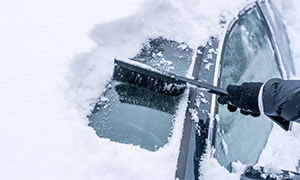
Double check windows, mirrors, lights and the roof for snow as it could block your view. Residual snow could also slide off whilst you’re driving and obstruct another motorist.
Remember: Never use boiling water to de-ice your car as this can crack the glass!
Plan Your Journey
Before driving, make sure your journey is planned carefully. Consider roads that may be closed, potential route diversions and an increase in general traffic.
It’s also worth keeping up to date with the local weather and avoiding areas that are badly affected by snow.
To make sure you are aware of the latest happenings, use the RAC or AA planners, Google Maps or listen to updates on the radio.
Car Maintenance
Car maintenance checks are also essential to confirm your car is equipped for driving in snowy conditions. We recommend checking the following:
Screenwash
Check you have enough fluid. Without it, your windscreen wipers will be useless. It’s also worth investing in screenwash that protects down to -35°C to make sure it doesn’t freeze.
Windscreen wipers
If your car has auto wiper control turn it off before turning on the ignition. If the wipers have frozen to the windscreen and the ignition is turned on, the wiper control fuse could blow.
Tyres
The legal tread depth is 1.6mm but you will require more than this to have enough grip throughout your journey.
If you regularly drive in snow, it is worth investing in winter tyres which have a deeper tread and improved grip.
Alternatively, if you only occasionally drive in these conditions, you could fit your tyres with snow chains or snow socks.
Lights
Visibility can be significantly reduced when driving in snow so use hazard lights, headlights, indicators and fog lights should be checked in case they need to be used.
Fuel
Make sure your car is topped up with enough fuel so that every eventuality covered.
Winter Car Essentials
Pack for the worst scenario and make sure your car is fully equipped with the following:
Once You Have Set Off
Now you have checked and packed everything, it’s time to get going! Here’s how to tackle driving in snow:
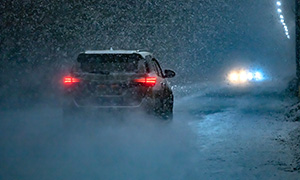
Once you get going you should aim to increase your gears as quickly as possible. The higher the gear, the lower the chance of wheel spin.
Don’t rush. When approaching corners, brake gently and progressively on approach before steering through the corner at an appropriate speed. It is important that you don’t brake as you steer or accelerate as this will cause you to skid. Make sure you have time to anticipate any hazards.
Leave a gap 10x the recommended distance between you and the car in front, particularly when ascending or descending hills. Tyres have less grip when the roads are wet meaning your car will take longer to reach a complete stop. Leaving ample room will prevent you having to stop or change gear.
If you do find yourself skidding, try not to panic. Never brake suddenly or take your hands off the wheel. Instead recognise whether you need to correct an oversteer or an understeer skid.
Have your dipped headlights on to improve your visibility but avoid using your high beam as they cause glare. If visibility has dropped below 100m, turn on your fog lights. Remember to turn them off as soon as visibility improves.
When coming across wheel tracks left by another vehicle it is best to avoid driving over these as they will be icier. Driving over fresher snow is much better.
Wearing sunglasses can help reduce the glare that happens when the sun reflects on the snow and wet roads.
What to Do if Your Car Get Stuck in Snow
1. Warn Others
If you become stuck on a snowy road, place your hazard triangle behind your car and put on your high-vis vest. This will alert other motorists that you are stuck and blocking the way.
2. Don’t Spin the Wheels or Accelerate
If your car becomes stuck in snow, avoid the urge to keep pressing the accelerator as this will cause your wheels to spin. Also, avoid moving your wheels from side to side as you will dig yourself deeper into the snow or you will overwork your clutch and engine.
3. Clear the Snow and Gain Traction
Use a shovel to dig out snow from around and underneath your wheels. Sprinkle sand, gravel, or even cat litter in front of the tyres to improve traction. If you have traction tracks, use these. Another alternative is rubber car mats. Place these as far under your wheels as possible and then try driving over them.
4. Get Passengers Out
This will help reduce the weight of your vehicle and will make getting out easier. If you have young children, leave them in their seats so they don’t get cold.
5. Gain Traction
Shift between forward and reverse gears, gently pressing the accelerator until the vehicle begins to move.
6. Stay Warm Safely
If you’re unable to move your car, stay warm by running the engine periodically. Before doing so, check that the exhaust pipe is clear of snow to prevent carbon monoxide poisoning. If fumes could potentially enter the car, do not run the engine – it’s not worth the risk. Even in safe conditions, only run the engine for 10–15 minutes each hour to conserve fuel.
7. Stay with Your Vehicle
In thick snow, stay inside or close to your car. It’s easy to become disoriented and lose track of your vehicle in the snow. Don’t try to walk in search of help especially if you are stuck in a remote location. Wrap up with blankets and call your breakdown service provider as written on your policy documents.
Remember: Every time you break, steer, accelerate or change gear it should all be done smoothly and slowly. Driving in snow is all about planning, care, preparation and being aware of yourself and others.
For further peace of mind, take out breakdown cover so you’re fully prepared for winter.

Comments are closed